How to Teach Digraphs in the Classroom + FREEBIE!
- Mar 26
- 3 min read

Digraphs are one of those phonics concepts that can look simple on paper but take time for students to truly master. When two letters combine to make one sound, early readers often try to pronounce each letter separately before they realise the letters work together.
Once students understand the concept, however, digraphs become an important stepping stone for reading many common words.
In this guide, I’ll share some practical ways to introduce digraphs, along with simple classroom activities that help students recognise and practise these sounds.
(If you'd like a quick activity to try with your students, I’ve included a free TH digraph worksheet and passage you can download at the end of this post.)
What Are Digraphs?
A digraph occurs when two letters work together to represent one sound.
Common digraphs students learn in early phonics instruction include:
Digraph | Example Words |
CH | chip, chop, much |
SH | ship, shop, fish |
TH | thin, that, bath |
WH | when, what, whisk |
PH | phone, photo, dolphin |
Students benefit from seeing these patterns repeatedly in reading and word work activities so they begin to recognise them quickly while decoding.
Introducing Digraphs
When I introduce digraphs, I like to start by showing students that two letters can work together to make a completely new sound.

For example, when reading the word ship, students might first try to pronounce the letters separately:
s – h – i – p
Instead, we model how the letters SH work together to make one sound.
Once students understand this idea, they begin to recognise digraphs much more easily in new words.
It can also help to introduce one or two digraphs at a time and give students plenty of opportunities to read and practise words containing the pattern.
Classroom Activities for Practising Digraphs
Students need many opportunities to see and practise digraphs in meaningful ways. Some activities that work well in the classroom include:
Word sorts where students group words by digraph pattern
Highlighting digraphs in reading passages
Partner reading using digraph word lists
Phonics games or literacy centres that require students to read digraph words

These activities give students repeated exposure while helping them become more confident recognising digraph patterns.
Digraph Resources for the Classroom
If you're looking for ready-to-use materials for digraph instruction, I’ve created several classroom resources designed to reinforce these phonics patterns through reading, word work, and games.
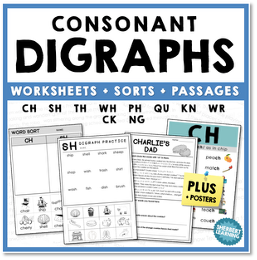
This resource includes reading passages, worksheets, and phonics activities that help students practise recognising digraphs while reading.
Students encounter digraph patterns in context, which helps strengthen decoding and fluency.

Digraph Games Word Work Activities
These phonics games provide students with opportunities to practise digraph words through interactive activities.
They work well for literacy centres, phonics review, and small group instruction.

If you’d like both sets of activities together, they are also available i
n a bundle, providing a wider range of materials for reinforcing digraphs in the classroom.
If you'd like to try a quick classroom activity first, you can download a free TH digraph reading passage and worksheet.

This activity allows students to practise reading words containing the TH digraph while also reinforcing comprehension and word recognition.
(Insert freebie download link here.)
Teaching Summary
Digraphs become easier for students when they have many opportunities to see and practise the patterns in reading and word work activities. By combining explicit instruction with engaging phonics practice, students can learn to recognise digraphs and apply this knowledge when reading unfamiliar words.


Comments